Resistance Isn’t Defiance: What Teacher Resistance Is Really Telling You
coaching development growth mindset leadership development Jan 31, 2025
We’re misreading resistance in schools.
What looks like pushback, hesitation, or disengagement isn’t defiance. It’s something deeper. But instead of getting curious, we push harder. We add more accountability, more urgency, and more pressure. And somehow, it keeps showing up.
Teachers avoid feedback that feels uncomfortable. Students shut down after one mistake. Leaders sit there wondering why professional learning isn’t turning into real change. We call this resistance, and most of the time we treat it like defiance. We think it’s attitude or lack of effort.
But here’s what we often miss: Resistance isn’t defiance. It’s information. It’s a signal that something underneath isn’t being met. In schools, resistance is often a signal that a core need or belief isn’t supported yet.
Change doesn’t happen just because we told people what to do. It happens when the beliefs underneath change. That’s where the Catalyst Mindsets™ come in. These aren’t just nice ideas. They represent the core beliefs people need in place to fully engage, take risks, and actually follow through.
When one of these beliefs isn’t supported, resistance shows up. When teachers push back, hesitate, or disengage, we call it resistance but we’re misreading it. Resistance isn’t the problem. It’s the signal pointing to the problem. If you’re trying to understand or overcome teacher resistance, these are the five unmet needs to look for.
The Five Unmet Needs Behind Teacher Resistance
1. Value Mindset: I believe this has value for me.
When this need isn’t met, resistance sounds like:
“This doesn’t apply to my classroom.”
No one pours their energy into things they think are pointless. If teachers don’t see the connection between a new initiative and their own classroom reality, they won’t buy in—no matter how many mandates or incentives you throw at them. Ryan & Deci’s Self-Determination Theory (2000) backs this up: when people see personal relevance in their work, they show up differently.
Coaching question: How can I help teachers connect their work to what they care about?
2. Ownership Mindset: I believe my actions make a difference.
When this need isn’t met, resistance sounds like:
“There’s nothing I can do about this.”
Ever worked with someone who blames everything on factors outside their control? Exhausting, right? Ownership Mindset is the difference between waiting for someone to fix the system and taking empowered action within it. Hope-Centered Leadership research (Snyder, 2002) shows that when people believe they can influence outcomes, they persist longer and innovate more.
Coaching question: Am I fostering problem-solvers or passive participants?
3. Belonging Mindset: I believe I belong here.
When this need isn’t met, resistance sounds like:
silence, withdrawal, or quiet disengagement.
If a teacher feels like an outsider—disconnected from their colleagues, administration, or even their students—they disengage. Belonging is about trust, unconditional acceptance, and the belief that one’s voice matters. Brene Brown’s work on psychological safety (2018) reinforces this: when people feel safe to show up authentically, they’re more likely to take risks and grow.
Coaching question: Does this person feel seen, valued, and supported in our school community?
4. Success Mindset: I believe I can succeed.
When this need isn’t met, resistance sounds like:
“My students just aren’t ready for that.”
Confidence isn’t a personality trait. It’s a learned belief built through self-efficacy (Bandura, 1997). When teachers believe they can successfully implement a new strategy, they actually try. If they don’t? They’ll find every reason why it won’t work before even attempting it. Success Mindset isn’t about toxic positivity; it’s about structured wins, real support, and the right kind of challenge.
Coaching question: Am I setting this person up for small wins that build confidence?
5. Growth Mindset: I believe I can improve.
When this need isn’t met, resistance sounds like:
avoiding challenge or sticking to what’s comfortable.
Not all “growth mindset” beliefs actually lead to growth. Some people claim to have a growth mindset but avoid real challenges, only value growth when it leads to quick success, or collapse into a fixed mindset under pressure. Others believe in growth for effort but not for skills, or they seek improvement only for external validation. Dweck’s research (2006) highlights that a true growth mindset isn’t just about effort—it’s about using strategies, seeking feedback, and persisting through setbacks.
Coaching question: Am I helping this person build a resilient growth mindset, not just one that sounds good in theory?
Why This Matters for Coaches & Leaders
The goal isn’t to eliminate resistance. It’s to understand what’s driving it so you can respond in a way that actually works.
So next time you see resistance, don’t rush to fix the behavior. Slow down and ask: What might they be trying to protect? What might feel at risk right now?
Because resistance isn’t defiance. It’s information. The moment you learn how to read it, you stop managing symptoms and start addressing what actually moves people forward.
So next time you’re troubleshooting resistance, ask yourself: Which Catalyst Mindset™ is unsupported? Support the mindset, and the action follows.
If you want to move resistance, don’t push harder. Diagnose better.
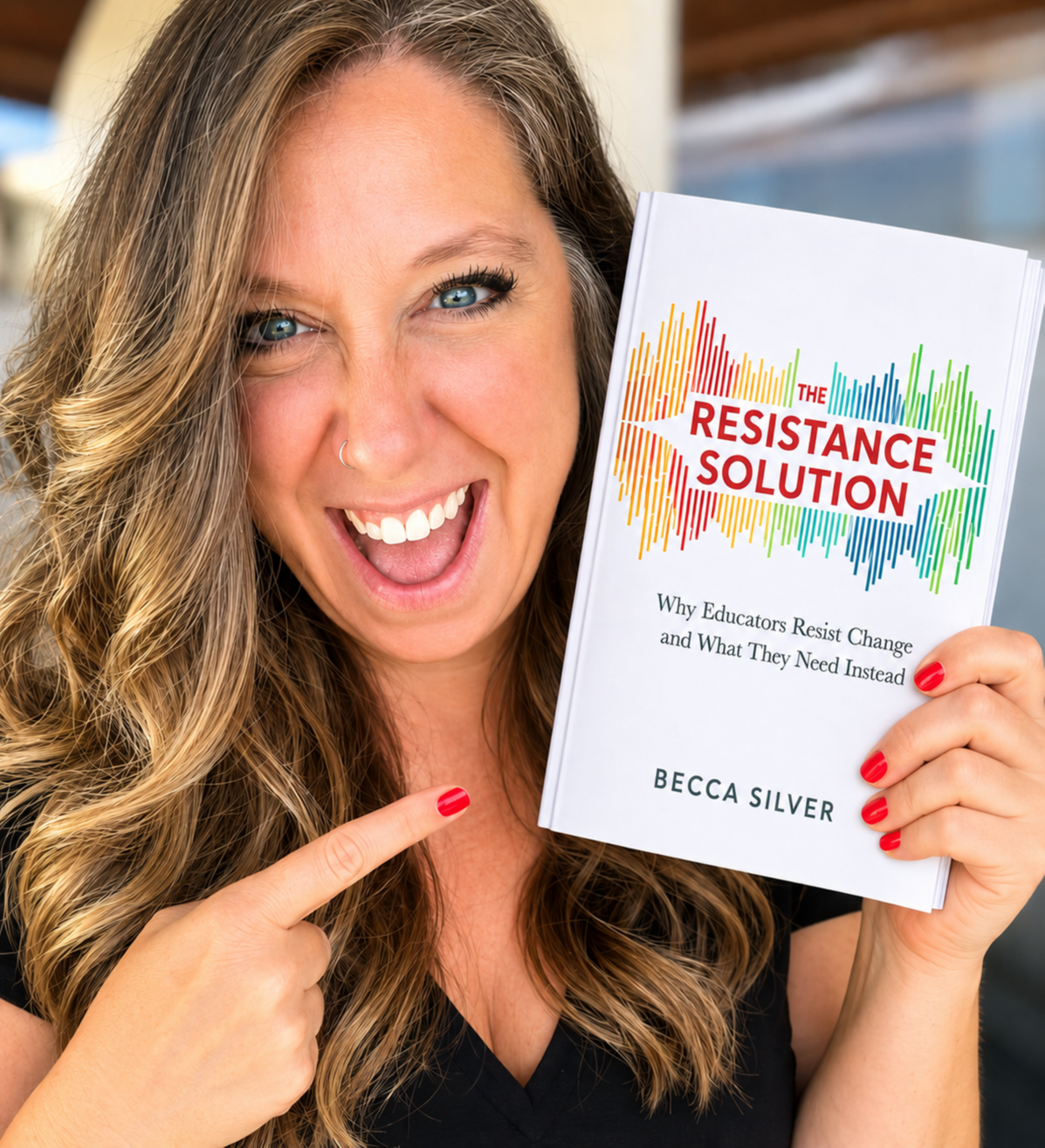
WANT TO DIVE DEEPER IN THIS WORK? Grab my book, The Resistance Solution !
What’s really causing the resistance?
You’re seeing the pushback, the hesitation, the lack of follow-through. This quick audit helps you pinpoint what’s actually underneath it so you can respond in a way that works.
Stay connected with news and updates!
Join our mailing list to receive the latest news and updates from our team.
Don't worry, your information will not be shared.
We hate SPAM. We will never sell your information, for any reason.